

Why I Changed My Name
How I've been shaped by the legacy of an unknown man born in 1920

I recently changed my name. My “artist name”, to be more precise. Many moons ago, when I began my career, my sole goal was to make a living in the arts. I put zero thought into branding: I didn’t think about a stage name, because I had no desire to be on stage. Over time, a body of work—some that I had a lot of input in, some that I had no control over—was released to the public in various ways and institutionalized as “me”. It was only after many years that I realized this confusing cocktail wasn’t really that representative of my developed skill or particularly meaningful to me as a collected body. I wanted something to call my own.
Personal projects have never been the main focus of my output simply because they don’t offer predictable returns, but after years of choosing work that made sense in practice (read: steady income) I found myself fatigued. Or bored. Or possessing that feeling of self-abandonment where you consistently default on your own creative impulses in favor of what’s sensible.
This year seemed like the right time to embark on something different. It felt like a natural progression: post studio renovations and having taken several years off to adjust to the wild ride that is new motherhood (twice over). I finally felt ready to produce work at a level I could be proud of and build a cohesive catalogue that carried my voice. To explore the artistic territory I’ve always been drawn to. To pursue vocation over function. To wring every last drop out of the craft and take my time doing it.
Ultimately, I want to create the work I have, deep down, always wanted to make—independent of popularity and algorithms and all of the other dull stuff that one (out of necessity) often has to concern themself with these days.
And so, the name change…
It was time for a rebrand: I simply added a middle name.
Contrary to some suspicions, “O’Keeffe” is not my maiden name (you’d be forgiven for that confusion, since I was born and raised in Northern Ireland). In fact, it’s not my name at all.
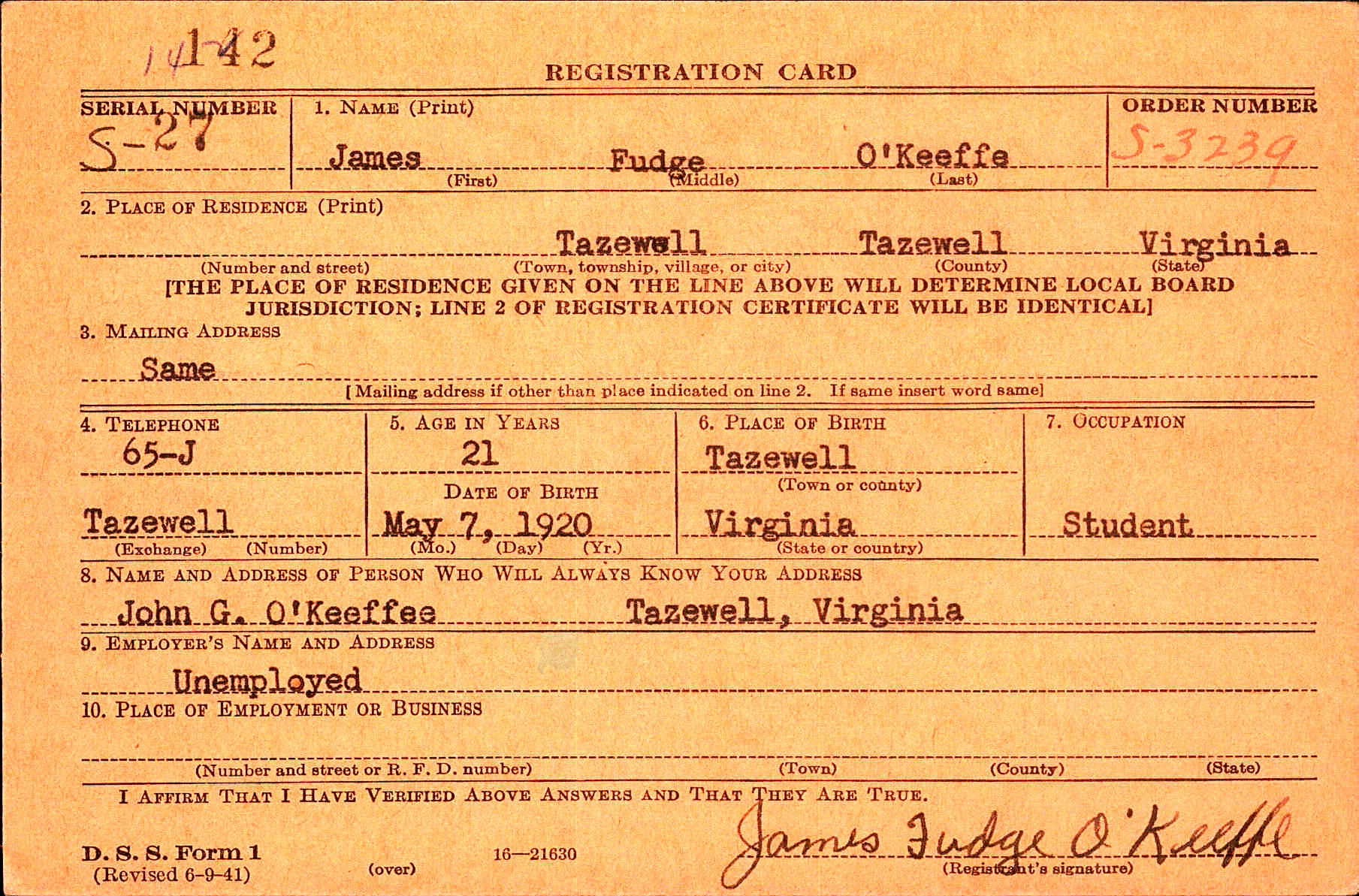
Who is O’Keeffe?
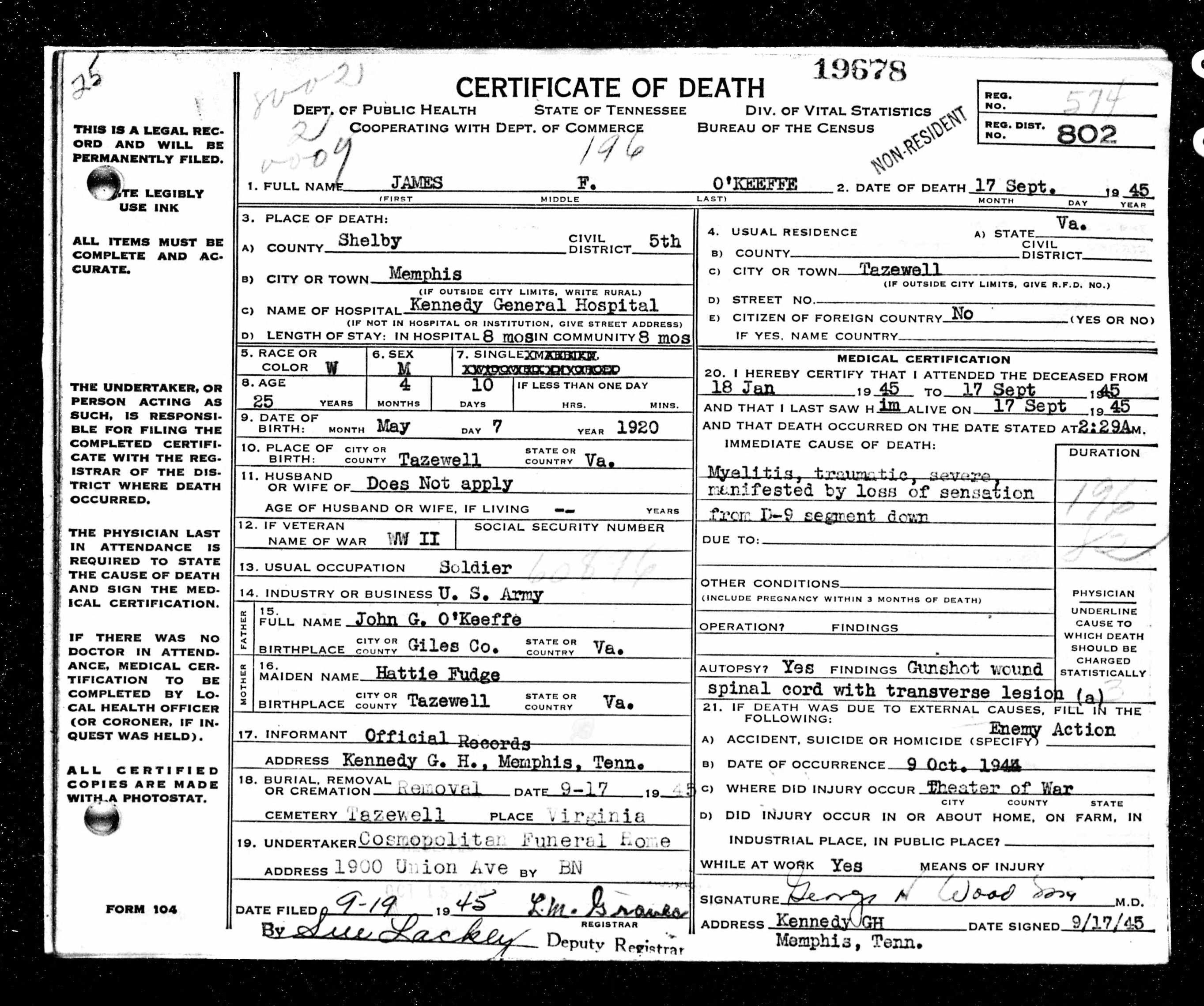
James Fudge O’Keeffe was born May 7, 1920 in Tazewell County, Virginia, a small Appalachian town with a largely working-class economy shaped by coal mining and farming. At twenty-one years old, still a student, James registered for compulsory military service on July 1, 1941. Within months, the United States had entered World War II following the attack on Pearl Harbor.
James sustained a spinal cord injury (most likely resulting in paralysis) from artillery shell fragments on October 9, 1944, and was evacuated to Kennedy General Hospital in Memphis, Tennessee (a specialized center for neurological injuries) the following January. After an eight-month stay, he succumbed to his injuries and died on September 17, 1945 at 2:29 am, age twenty-five.
He is in no way related to me or anyone in my family.
James O’Keeffe, though reportedly paralyzed, remained optimistic, offering encouragement and prayer to his fellow wounded soldiers and making bracelets for everyone on the ward. His faith and resilience made such an impression on my husband’s grandmother—his nurse, who I understand to have been a stern woman—that she named her son (born early the following year) with part of his name: O’Keeffe. The name was ultimately passed down through another two generations, to my husband and now our children.
Borrowing his name
“O’Keeffe”, Irish in origin ("Ó Caoimh"), means “gentle” or “kind”. Right around the time I was choosing a name to work under, in a small moment of serendipity, my wonderful writer friend Tara Banks had passed this card to me at her book launch.
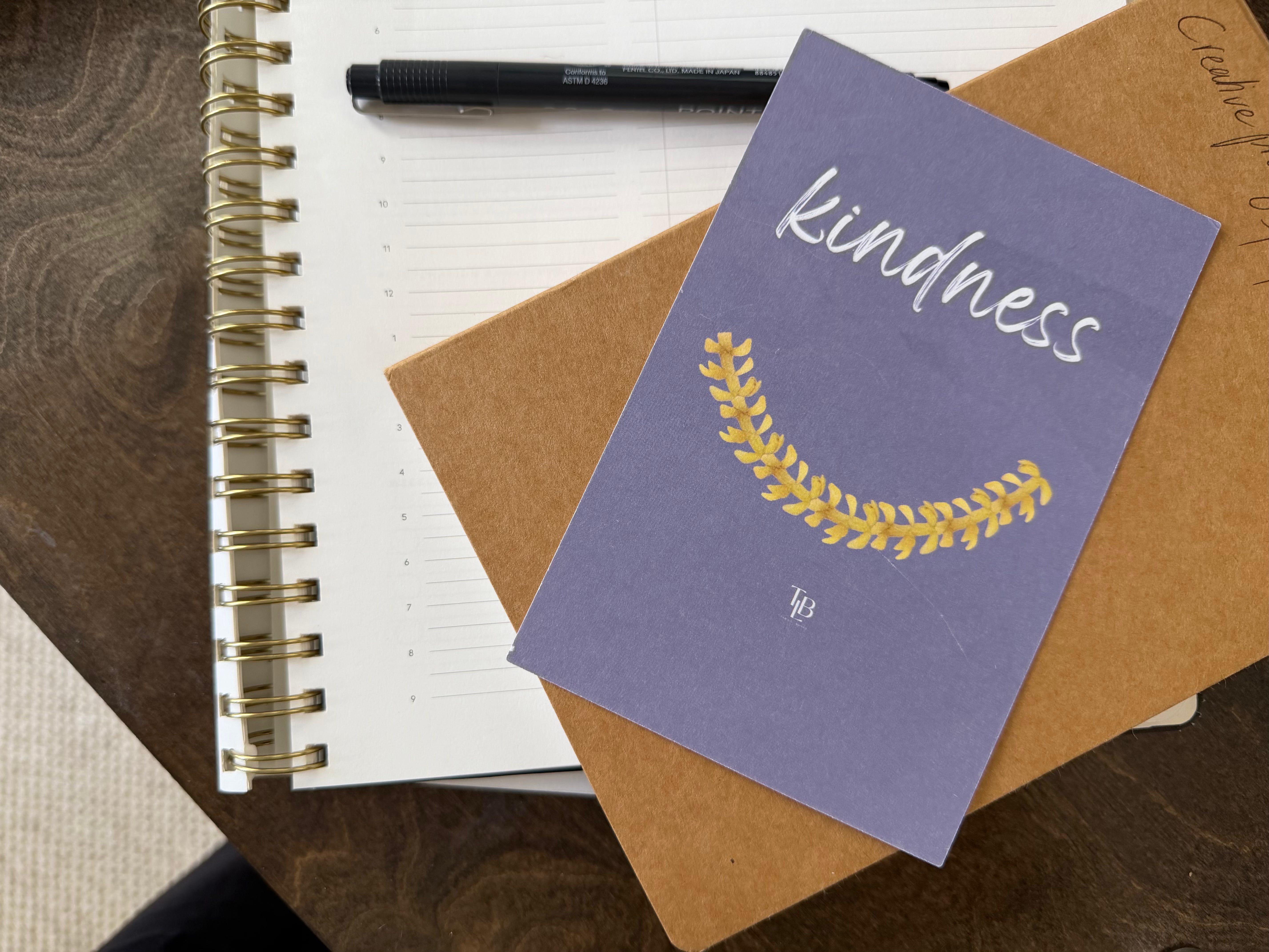
The name became the obvious choice. I didn’t want to entirely abandon my own name and having a completely different moniker just felt a bit too grand. It was “me”, but not me—the perfect combination of a name that was given to me and a name I chose for myself.
I’ve thought of James often, especially around the time I was naming my own children. Twenty-five when he died. A student. Never married. Resilient, no doubt: he lived with a terrible injury for over eleven months. I wonder if he was happy to be back in the United States and away from the horrors of war. I wonder if he has any living family (his mother, Hattie, died when he was sixteen, but his father, sisters, and half-brother all outlived him). Most of all, I can’t help but think what an impression he must have made that his name and memory has lived on like this. A life marked by his faith and devotion to others.
A thought on rebranding
If there’s one thing I wish I had known early on, it is the permanence of a name. I’m lucky to have never signed any truly disastrous contracts (though there are one or two that are… unflavorful). There have been many occasions where I have wanted to scrap everything and start again—but that impulse has largely been born of anxiety, insecurity, or the feeling of overexposure. How did I know it was the right time to rebrand (and not perfectionism manifested)? I am no longer concerned with loss—streams, momentum, or anything else. It’s an intentional decision about what comes next, and full creative control over it.
Love this (and the explanation). You can imagine how happy I was to see the kindness card... so like you to share! Much love!
I really enjoyed reading this, Anna, thank you. I resonated with it a lot. I've struggled a lot with the artist name I chose while blithely unaware of the consequences—"Garreth Broke" is a bad joke that has got way out of hand—and have often explored changing it. Maybe I will at some point, but probably I won't: partly due to inertia, partly because it's part of my past self and perhaps I should accept it, annoying consequences and all. In any case, I really like your new name.
PS isn't Fudge the best second name you've ever heard?